Finding the right grinder for corn can be tricky when you need speed, consistency, and value without overspending. The best picks balance motor power, capacity, and fineness control for the way you actually grind.
This roundup of corn grinders under 300 focuses on practical options for dry corn, grains, and similar ingredients, with an eye toward performance, durability, and ease of use.
Best 10 Corn Grinders Under 300 Picks for 2026
High-Power Home Milling
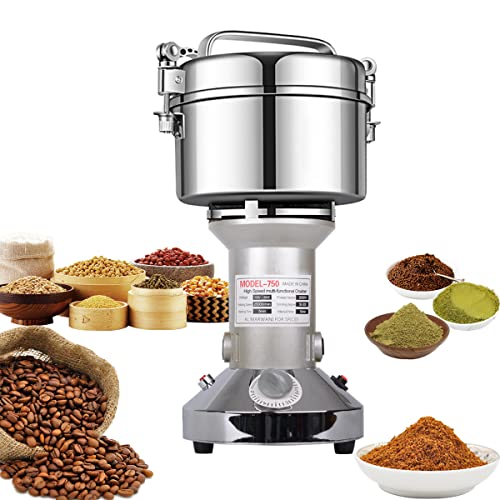
- 2000W motor with 25,000 RPM
- Grinds corn, grains, spices, herbs
- 750g capacity with overload protection
Best For: Home dry grinding with fast results
Heavy-Duty Feed Grinding

- 25-liter hopper for larger batches
- 5 sieves adjust grinding fineness
- Made for dry corn, grains, and feed
Best For: Homestead or farm feed grinding
Compact High-Speed Grinding

- 300g size for small batches
- 1200W motor with 25,000 RPM
- Includes spare blades and cleaning tools
Best For: Small-batch kitchen grinding
Large-Capacity Farm Milling

- 60L hopper for higher output
- 7 sieves for custom texture
- Works with dry corn and mixed grains
Best For: Large-batch farm or feed use
High-Power Swing Grinder

- 3400W motor with 32,000 RPM for fast dry grinding
- 2500g capacity for larger batches of corn and grains
- 30–300 mesh adjustment plus 270° swing design
Best For: Large-batch dry grinding with adjustable fineness
Commercial Funnel Grinder

- 3000W motor with cast iron grinding plates
- Funnel feed helps keep input steady
- Adjustable thickness for corn and other dry grains
Best For: Durable commercial-style dry grain grinding
Compact High-Speed Grinder

- 850W motor with 27,000 RPM for quick small batches
- 70–300 mesh range for finer texture control
- 150g stainless steel design for dry ingredients
Best For: Small-batch home grinding of dry foods
Heavy-Duty Shop Mill
2200W Commercial Grain Grinder

- 2200W motor for fast dry grinding
- Adjustable fineness for corn and grains
- Cast iron body for long-term use
Best For: High-volume corn grinding in commercial or heavy-duty settings
Compact Countertop Pick

- 1200W motor with 28,000 RPM speed
- 50 to 300 mesh fine grinding
- Compact stainless steel 300g capacity
Best For: Small-batch dry grinding in kitchens, labs, and other compact spaces
Fast Blade Grinder

- 28,000 RPM for quick dry grinding
- 5s, 15s, and 30s timed settings
- 150g cup for small batches
Best For: Quick small-batch corn grinding with simple timed control
High-Power Home Milling – 750g High Speed Grain Mill
If you want corn grinders under 300 that can do more than basic cracking, this 750g electric mill is built for fast dry grinding at home or in a small kitchen. It handles corn along with rice, wheat, beans, spices, and herbs, while the high-speed motor and triple-blade setup are aimed at producing fine powder quickly.
Best For: Home users who want a fast, multi-purpose dry grinder for corn, grains, spices, and herbs.
Pros:
- 2000W motor with 25,000 RPM for very fast grinding
- Triple-blade design helps pulverize dry ingredients to fine mesh
- 750g capacity is generous for household batches
- Auto shutoff overload protection adds a safety layer
Cons:
- Dry materials only; wet, oily, or moist ingredients are not supported
- Recommended use is short, with rest periods between grinding cycles
- Needs careful loading, since the jar should not exceed 2/3 full
Overall, this is a strong pick if speed and versatility matter more than industrial capacity. It fits well for buyers who need a compact dry mill for corn and other pantry staples, but are comfortable following the usage limits closely.
Heavy-Duty Feed Grinding – 6.6 Gal Electric Corn Grinder
For shoppers comparing corn grinders under 300 for larger batches, this 6.6-gallon electric feed grinder is geared toward dry corn and other grains. It is designed for household or farm use, with sieves that let you adjust milling fineness and a detachable hopper that makes cleanup easier after grinding.
Best For: Farm or homestead users who need a larger-capacity grinder for dry feed and flour prep.
Pros:
- Large 25-liter capacity suits bigger feed-prep jobs
- Includes 5 sieves for different fineness levels
- Detachable hopper and bucket make it easier to clean
- Simple start/stop controls keep operation straightforward
Cons:
- Built for dry ingredients only; water must be kept out of the motor
- Bulkier than smaller countertop grinders
- Primarily aimed at feed and grain milling rather than fine spice work
This model makes the most sense when capacity is the priority. If you need a practical grinder for corn, livestock feed, and other dry grains, it offers more volume than typical kitchen units.
Compact High-Speed Grinding – 300g Stainless Steel Mill
This compact option stands out among corn grinders under 300 if you want a smaller, fast electric mill for dry ingredients. With a 300g capacity and high-speed stainless steel blades, it is set up for grinding corn, wheat, rice, coffee beans, spices, and herbs into fine powder quickly.
Best For: Buyers who want a smaller dry grinder for kitchen use and occasional batch processing.
Pros:
- 300g capacity is manageable for small batches
- 1200W motor and 25,000 RPM support fast grinding
- Includes spare blades, carbon brush, cleaning brush, and other extras
- Auto shutoff helps protect against overload
Cons:
- Dry and dehydrated materials only
- Must not be filled above 2/3 of the storage chamber
- Requires rest periods between grinding cycles
As a small-batch grinder, it offers a practical mix of speed and included accessories. It is a better fit for kitchen users who want versatility for dry corn and other pantry ingredients than for anyone needing large-volume milling.
Large-Capacity Farm Milling – 15.8 Gal Feed Grinder
Among corn grinders under 300, this 15.8-gallon model is aimed at users who need high-capacity dry milling for feed and home processing. It is designed for dry corn, wheat, rice, barley, sorghum, soybeans, and similar grains, and the included sieves let you tailor the texture for different uses.
Best For: Homesteaders and small farms that want to make fresh livestock feed in larger volumes.
Pros:
- 60L hopper supports longer grinding runs with fewer refills
- Includes 7 sieves for customizable particle size
- Handles a broad range of dry grains for feed or flour prep
- Simple start/stop controls and built-in handle aid daily use
Cons:
- Designed only for dry materials
- Larger footprint than a typical kitchen grinder
- Screen changes require the unit to be unplugged
If you need volume more than countertop convenience, this grinder is built for the job. It is best suited to feed-making and general grain milling where bigger batches and adjustable output matter.
High-Power Swing Grinder – 3400W 270° Swing Type
If you want corn grinders under 300 for fast dry ingredient processing, this VEVOR model is built for speed and volume. It handles corn along with wheat, soybeans, coffee beans, and spices, and its 270° swing design helps create finer, more uniform powder while reducing sticking.
Best For: Buyers who need a high-capacity electric grinder for dry grains and spices with adjustable fineness.
Pros:
- 3400W motor and 32,000 RPM support very fast dry grinding.
- Up to 2500g capacity is useful for larger batches.
- 3-layer stainless steel blades and 270° swing design help improve powder consistency.
- Timer settings and 30–300 mesh fineness give more control over results.
Cons:
- Not suitable for wet, fresh, oily, or sticky materials.
- Requires breaks after 5 minutes of continuous work.
- Bulkier and heavier than small countertop grinders.
Overall, this is a strong choice if your priority is speed, batch size, and adjustable dry grinding rather than compact size. It fits buyers who want a more commercial-feeling machine for corn and other hard dry ingredients.
Commercial Funnel Grinder – 3000W Cast Iron Mill
Among corn grinders under 300, this VEVOR unit is aimed at users who want a heavy-duty dry mill for corn, wheat, rice, sorghum, soybeans, and similar crops. The funnel feeding design is meant to keep input steady, while the cast iron grinding plates and thick body point to a machine built for repeated use.
Best For: Buyers who need a durable commercial-style grinder for dry grains and crop processing.
Pros:
- 3000W motor supports strong continuous grinding performance.
- Cast iron grinding plates and body are designed for durability.
- Funnel-shaped feed helps maintain a steady feeding speed.
- Adjustable thickness makes it more flexible for different dry ingredients.
Cons:
- 500g capacity is modest compared with its industrial-size frame.
- Very heavy at 46.7 pounds, so it is not easy to move.
- Best suited to dry ingredients only.
This is the more rugged option if your buying decision centers on durability and steady grinding rather than portability. It makes sense for buyers who want a commercial-style corn mill with simple thickness control.
Compact High-Speed Grinder – 150g 850W Stainless Steel
If you’re comparing corn grinders under 300 for home use, this compact 150g model is built for quick small-batch dry grinding. It is meant for corn, wheat, flour, spices, coffee beans, and other dry ingredients, with three blade layers that help it reach fine results quickly.
Best For: Small-batch users who want a compact grinder for dry ingredients and everyday kitchen needs.
Pros:
- 850W motor and 27,000 RPM support fast grinding in about 30 seconds.
- 70–300 mesh fineness gives useful control over texture.
- Food-grade stainless steel construction is durable and easy to wipe clean.
- Works with a wide range of dry foods, including corn and coffee beans.
Cons:
- 150g capacity is best for small batches only.
- Needs rest periods after 8 minutes of use.
- Not intended for wet ingredients.
This is the most compact pick in the group, making it practical for occasional home grinding rather than large production. It is a good fit if you want a straightforward small grinder for dry corn and similar ingredients.
Heavy-Duty Shop Mill – 2200W Commercial Grain Grinder
If you’re comparing corn grinders under 300 for high-volume dry milling, this 2200W grain mill is built more like a shop tool than a countertop appliance. It’s designed for fast grinding of corn and other dry grains, with adjustable fineness and a heavy cast iron body that suits frequent use in grain stores, kitchens, or small processing setups.
Best For: High-output dry grinding of corn and other grains in commercial or heavy-duty settings.
Pros:
- 2200W motor and 1470 r/min speed for fast, efficient dry grinding.
- Adjustable fineness with knob control for corn, rice, wheat, sorghum, and more.
- Cast iron construction and stable freestanding design for durability.
- Large funnel and heat-dissipation hood support longer grinding sessions.
Cons:
- Dry grinding only, so it won’t handle wet or oily ingredients.
- Assembly is required before first use.
- At 50.7 pounds, it’s not a lightweight countertop unit.
This is a strong fit if your priority is capacity and durability over portability. It makes the most sense when you need a more industrial-style grinder for repeated corn processing rather than occasional small-batch use.
Compact Countertop Pick – 300g Commercial Spice Grinder
For shoppers looking at corn grinders under 300 in a compact format, this 300g grinder is a practical choice for small dry batches. It combines a stainless steel chamber, 1200W power, and high-speed blade grinding to handle corn, grains, spices, and other dry ingredients in kitchens or small workspaces.
Best For: Small-batch dry grinding for home kitchens, clinics, labs, and similar spaces.
Pros:
- 1200W power and 28,000 RPM speed for quick pulverizing.
- Grinds dry materials from 50 to 300 mesh in under a minute.
- Food-grade stainless steel construction with overload protection.
- Compact 300g capacity fits smaller batch needs.
Cons:
- Not suitable for wet, moist, or oily materials.
- Recommended use is limited to 3 minutes with a rest period afterward.
- Cleaning requires care; it should not be rinsed with water.
This model is best when you want a versatile dry grinder without moving up to a larger commercial machine. Its compact size and safety features make it a sensible fit for everyday small-batch grinding.
Fast Blade Grinder – 150g High-Speed Grain Mill
If you want a compact option among corn grinders under 300, this 150g grain mill focuses on speed and ease of use. It’s built for dry grains, spices, and coffee beans, with timed grinding settings and triple stainless-steel blades that help turn ingredients into fine powder quickly.
Best For: Fast, small-batch grinding for users who want simple timed operation.
Pros:
- 28,000 RPM motor grinds dry ingredients in about 30 seconds.
- Timed settings of 5, 15, and 30 seconds for controlled operation.
- Triple stainless-steel blades help create fine, even powder.
- 150g cup is a good fit for small batches of corn and spices.
Cons:
- Not for wet, oily, or sticky materials.
- Continuous operation is limited to 5 minutes, followed by a rest period.
- Smaller capacity than larger commercial-style grinders.
This grinder makes sense if speed and convenience matter more than capacity. It’s a practical pick for quick corn grinding and other dry ingredients when you want a simple, compact machine.
How We Picked These Corn Grinders Under 300
We focused on the most useful features for buyers comparing Corn Grinders Under 300: motor strength, hopper or chamber size, grinding speed, materials, and adjustment options. We also considered whether each model fits home kitchens, small workshops, or heavier-duty feed and spice use.
Since grinders in this price range can vary widely, we gave extra weight to models that offer stable performance on dry corn and other hard ingredients without adding unnecessary complexity.
Quick Comparison: What Matters Most
The biggest differences usually come down to capacity and intended use. Smaller countertop units are better for short batches, spices, and dry grains, while larger commercial-style machines are aimed at higher output and feed milling. Power ratings are helpful, but they mean more when paired with build quality and usable fineness control.
Key Buying Factors for Corn Grinders Under 300
1. Capacity
Match the grinding chamber size to your workload. A compact grinder is easier to store and clean, but a larger hopper reduces refill time if you process corn regularly.
2. Motor Power and Grinding Speed
Higher wattage can help with tougher dry corn, but power alone does not guarantee a better result. Look for a machine that can maintain performance under load and avoid overheating during longer sessions.
3. Fineness Adjustment
If you want flour-like output, choose a grinder with adjustable thickness or fineness settings. If you only need coarse cracked corn or feed preparation, simpler controls may be enough.
4. Material and Durability
Stainless steel construction is common in this category and is generally a good sign for durability and easier maintenance. For heavier use, pay attention to how the housing, blades, and internal parts are built.
5. Intended Use
Not every machine is meant for the same job. Some Corn Grinders Under 300 are better for food ingredients like corn, wheat, and spices, while others are designed more for animal feed or commercial-style batch processing.
Who Should Buy Which Corn Grinders Under 300?
Choose a compact grinder if you mainly want small batches for home cooking, seasoning blends, or occasional flour making. Pick a mid-size high-speed model if you want faster turnaround and more flexibility for dry grains. Go for a larger feed or commercial grinder if output, throughput, and repeated use matter more than countertop convenience.
For most shoppers, the best choice is the model that matches batch size first and wattage second. That approach makes it much easier to find the right balance of value, performance, and long-term usefulness.