Looking for authentic yakitori flavor at home? The right tabletop grill can deliver high heat, steady airflow, and a compact footprint for indoor cooking.
In this roundup, we focus on the best indoor tabletop grills for yakitori cooking, with options suited to small spaces, casual dinners, and traditional charcoal setup.
Best 10 Indoor Tabletop Grills for Yakitori Cooking Picks for 2026
Authentic Compact Yakitori

- Stainless steel body with aluminum charcoal box
- Optimized airflow for efficient charcoal burning
- Cool-touch base plus removable ash tray
Best For: Compact charcoal yakitori-style grilling with easier cleanup
Clay Heat Retention Yakatori

- Handmade clay body for strong heat retention
- Adjustable ventilation and included charcoal grate
- Large 17" x 10" cooking surface
Best For: Traditional outdoor yakatori grilling with a larger surface
Ultra-Portable Tabletop Yakitori
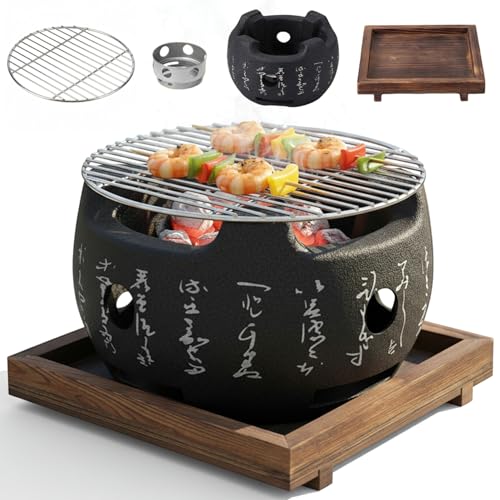
- Very compact and easy to carry
- Mesh grill helps heat distribute evenly
- Made for yakitori, yakiniku, and robata
Best For: Lightweight tabletop grilling for small meals and travel
Mini Indoor Hibachi Starter

- Heats up in about 10 minutes
- Wooden base helps protect tabletops
- Good for yakitori, takoyaki, and kebabs
Best For: Beginners wanting a tiny tabletop charcoal grill
Ceramic Heat-Retention Pick
Thickened Round Yakitori Grill

- 3.5 cm ceramic body holds heat well
- Adjustable bottom damper for flame control
- Bamboo shield helps protect the table
Best For: Home cooks wanting a durable ceramic yakitori grill for small groups
Ultra-Portable Budget Pick
Compact Aluminum Yakitori Grill
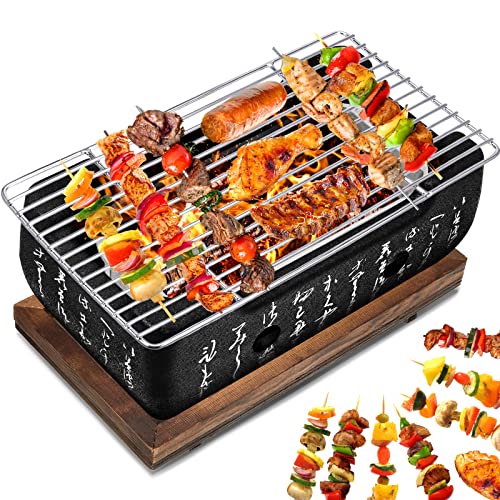
- Small, lightweight design is easy to store
- Wood tray base helps insulate tables
- Stainless mesh is thickened for even heating
Best For: Buyers who want a compact yakitori grill for light tabletop use
Premium Accessory Pick
Brown Ceramic Yakitori Grill with Lifter

- Thick ceramic body retains heat and resists shock
- Includes stainless steel grate and grid lifter
- Rust-resistant stand adds stable support
Best For: Shoppers wanting a ceramic yakitori grill with included tools and steady support
Compact Tabletop Pick

- Fits small yakitori meals for 2-3 people
- Wood base helps reduce tabletop overheating
- Air inlet supports efficient charcoal burning
Best For: Small yakitori sessions and portable tabletop charcoal cooking
Portable Lightweight Option
Lightweight Mini Hibachi for 1-2
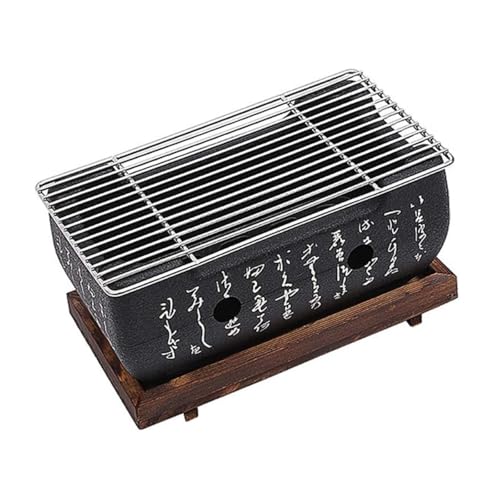
- Ultra-compact size suits 1-2 people
- Ventilated intake is meant to stabilize airflow
- Non-stick finish supports easier cleanup
Best For: Solo or two-person yakitori cooking with easy portability
Traditional Konro Style

- Traditional konro-inspired charcoal design
- Wire mesh or comal top for skewers
- Portable 8-inch size for tabletop use
Best For: Traditional yakitori and small table-side charcoal grilling
Authentic Compact Yakitori – 16" Mini Yakitori Grill
If you want indoor tabletop grills for yakitori cooking-style setup with a more traditional charcoal feel, this stainless steel model is built for focused heat and small-batch grilling. Its airflow design, removable liner, and cool-touch base make it a practical choice for skewers, seafood, meats, and vegetables on a table or compact patio space.
Best For: Home cooks who want a compact stainless tabletop charcoal grill with easier cleanup and stable heat control.
Pros:
- Stainless steel body with aluminum charcoal box and stainless steel liner for durable construction
- Optimized airflow supports efficient charcoal burning and longer burns
- Cool-touch base and poplar wood accents help protect surfaces
- Removable liner and ash tray simplify cleanup between sessions
Cons:
- Listed for outdoor use only
- Requires charcoal, so it is not a plug-in indoor electric option
Overall, this is a strong pick if you want a compact yakitori-style grill with a premium metal build and straightforward maintenance. It leans practical and durable rather than decorative.
Clay Heat Retention Yakatori – Large Handmade Clay Grill
For indoor tabletop grills for yakitori cooking-inspired meals, this handmade clay yakatori grill stands out for its traditional construction and strong heat retention. The charcoal-and-clay design is meant to radiate heat for juicier, more tender results, and the larger cooking area gives you room for skewers and small barbecue portions.
Best For: Outdoor cooks who want a traditional clay yakatori grill with a larger tabletop cooking surface.
Pros:
- Handmade clay construction for superior heat retention
- Adjustable ventilation helps with airflow control
- Chrome cooking grill and internal charcoal grates are included
- Large 17-inch by 10-inch cooking surface suits small groups
Cons:
- For outdoor use only
- Heavier than mini portable tabletop options at about 18 to 20 lbs
This is a good choice if you value classic yakatori construction and want more cooking room than a mini grill provides. Its clay build favors steady, radiant heat over lightweight portability.
Ultra-Portable Tabletop Yakitori – Small Mesh Grill
Japanese Yakitori Grill, Small with Mesh & Base, Portable Indoor BBQ for Yakiniku, Yakitori, Robata
Check Price On AmazonIf you are shopping indoor tabletop grills for yakitori cooking and need something very compact, this small Japanese BBQ grill is designed for easy table use and portability. The included mesh grill is meant to help distribute heat more evenly, making it suitable for skewers, vegetables, yakiniku, robata, and other small bites.
Best For: Small households or casual cooks who want a lightweight, highly portable tabletop yakitori grill.
Pros:
- Very compact base makes it easy to carry and store
- Wire mesh grill promotes more even heat distribution
- Designed for yakitori, yakiniku, robata, and other small foods
- Charcoal heating supports authentic tabletop grilling
Cons:
- Small size limits total cooking capacity
- No detailed material or cleanup features are listed in the supplied notes
This model makes sense when portability matters more than capacity. It keeps the setup simple and is well suited to small social meals or quick skewers at the table.
Mini Indoor Hibachi Starter – 10.2" Portable Charcoal Grill
This compact charcoal model fits well into the indoor tabletop grills for yakitori cooking category if you want a simple, family-friendly setup for small portions. It is designed to heat quickly, includes a wooden base to protect furniture, and is described as useful for yakitori, takoyaki, appetizers, and other small barbecue items.
Best For: Beginners and families who want a tiny tabletop charcoal grill with a protective base.
Pros:
- Heats to cooking temperature in about 10 minutes
- Wooden base helps protect the table from direct heat
- Includes an inner charcoal steel case for holding briquettes
- Versatile for yakitori, takoyaki, appetizers, and kebabs
Cons:
- Some listing details appear incomplete or inconsistent
- Small size limits cooking volume
Overall, this is a simple option for users who want fast setup and a tabletop-friendly base. It is best viewed as a small, casual grill rather than a large-capacity cooker.
Ceramic Heat-Retention Pick – Thickened Round Yakitori Grill
If you want indoor tabletop grills for yakitori cooking with strong heat retention and a traditional charcoal feel, this ceramic round model is built for that style of use. Its thick cordierite and mullite body, adjustable bottom damper, and bamboo heat shield make it a practical choice when you need stable grilling at home or outdoors.
Best For: Home cooks who want a durable ceramic yakitori grill for 2-5 people with better heat control and table protection.
Pros:
- 3.5 cm thick ceramic body for strong heat retention and thermal shock resistance
- Adjustable bottom damper helps control temperature during grilling
- Bamboo heat shield and stainless steel stand add table protection and support
- No installation required, with handles and a grid lifter for easier handling
Cons:
- At 13 pounds, it is less convenient to move than smaller portable grills
- Charcoal fuel means indoor use still requires careful ventilation
This is a good fit if you want an authentic tabletop yakitori setup that prioritizes heat stability over ultra-light portability. The larger ceramic build and included accessories make it feel more like a permanent home grilling solution.
Ultra-Portable Budget Pick – Compact Aluminum Yakitori Grill
For shoppers comparing indoor tabletop grills for yakitori cooking, this compact aluminum alloy model stands out for its small footprint and simple design. It uses a stainless steel wire mesh, a wooden tray base for heat insulation, and hollowed air inlet details to help with airflow and fire adjustment.
Best For: People who want a lightweight, easy-to-store yakitori grill for occasional tabletop use, camping, or picnics.
Pros:
- Very compact size makes it easy to carry and store
- Aluminum alloy body is designed for better heat stability and even heating
- Wooden tray base helps insulate heat and protect the table
- Thickened stainless steel wire mesh is easy to clean
Cons:
- Small cooking area limits how much food you can grill at once
- Indoor use requires attention to ventilation
- Aluminum construction may not feel as heavy-duty as ceramic options
This is the most travel-friendly option in the group, but it is also the most compact. Choose it if portability matters more than maximum cooking space or a premium ceramic build.
Premium Accessory Pick – Brown Ceramic Yakitori Grill with Lifter
If you want indoor tabletop grills for yakitori cooking with a more complete accessory setup, this ceramic round hibachi is a strong contender. It uses the same thick cordierite and mullite ceramic body, adds a stainless steel grate and grid lifter, and includes a rust-resistant stainless steel stand for stable grilling.
Best For: People who want a ceramic yakitori grill with included tools and stable support for indoor or outdoor grilling.
Pros:
- Thick ceramic furnace body offers strong heat retention and thermal shock resistance
- Adjustable damper helps manage temperature for more controlled grilling
- Includes a stainless steel grate and grid lifter for easier handling
- Stainless steel stand resists rust and corrosion for steady support
Cons:
- Still uses charcoal, so indoor grilling needs proper ventilation
- Designed for 2-5 people, so it is not ideal for larger groups
This version is best if you value convenience and accessory completeness as much as grill performance. It keeps the same durable ceramic approach while adding the tools that make yakitori cooking simpler at the table.
Compact Tabletop Pick – Compact 2-3 Person Hibachi
If you want indoor tabletop grills for yakitori cooking in a very small footprint, this compact Japanese-style hibachi is built for 2-3 people and uses charcoal for that classic high-heat grilling feel. Its aluminum alloy body, carbonized pine wood base, and simple airflow inlet are aimed at efficient combustion, even heating, and safer tabletop use.
Best For: Small yakitori meals, couples or tiny groups, and cooks who want a portable charcoal grill with a compact footprint.
Pros:
- Compact size works well for 2-3 people and small tabletop setups
- Wooden base helps prevent overheating issues on the table
- Air inlet design is intended to support airflow and charcoal combustion
- High heat resistance and simple cleanup after use
Cons:
- Designed for small meals, so it is not ideal for larger groups
- Requires assembly before use
- Charcoal fuel means more setup and cleanup than electric options
This is a practical pick if you value portability and a traditional tabletop charcoal experience over capacity. For yakitori, its small size and even-heating design make it a focused, intimate grill rather than an all-purpose family cooker.
Portable Lightweight Option – Lightweight Mini Hibachi for 1-2
For indoor tabletop grills for yakitori cooking, this portable mini hibachi focuses on simplicity: a compact 4.9 x 4.5 x 9.4 inch charcoal grill made for 1-2 people. The ventilated intake design is meant to help regulate airflow and filter dust, while the high-temperature materials and non-stick finish are positioned for even grilling and easier cleanup.
Best For: Solo cooks or pairs who want a lightweight tabletop charcoal grill with a ready-to-use setup.
Pros:
- Very compact and lightweight for tabletop use or travel
- Designed for even heat distribution and easier cleaning
- Ventilated intake aims to improve airflow stability
- Includes the grill only, so it is ready to use right out of the box
Cons:
- Best suited to 1-2 people, so capacity is limited
- Charcoal operation means it is less convenient than plug-in grills
- Compact size may be too small for larger skewering sessions
This model makes sense if you want a small yakitori setup with minimal fuss and strong portability. It is especially appealing when table space is tight and you want a simple charcoal cooker for small batches.
Traditional Konro Style – Round Konro Yakitori Grill
If you are shopping for indoor tabletop grills for yakitori cooking with a more traditional Japanese feel, this round konro-style charcoal stove is built around quick heat and table-side grilling. The 8-inch portable aluminum alloy body, wooden trivet base, and wire-grid or comal top are designed for skewers, kebabs, and small charcoal cookouts.
Best For: Yakitori skewers, tabletop grilling, and cooks who want a traditional konro-style charcoal setup.
Pros:
- Konro-inspired design suits traditional table-side grilling
- Wire mesh or comal top offers flexible grilling surface options
- Compact and portable for home use or camping
- Non-stick fluorine-coated surface is intended to simplify cleaning
Cons:
- At 8 inches round, it is still a small-capacity grill
- Charcoal use requires more attention than electric tabletop grills
- May be too specialized if you want a general-purpose cooker
This is the most tradition-forward option in the group, especially if yakitori is your main goal. Its round format and grill-top options make it a good match for classic skewer cooking with a compact footprint.
How We Picked the Best Indoor Tabletop Grills for Yakitori Cooking
We prioritized tabletop grills that make indoor yakitori cooking more practical: compact size, stable construction, controllable airflow, useful cooking surface, and materials that handle heat well. We also looked for designs that suit small batches of skewers without taking over the table.
Quick Comparison
When comparing Indoor Tabletop Grills for Yakitori Cooking, think in terms of heat behavior rather than just size. Ceramic and clay-style grills typically hold heat longer, while metal and aluminum alloy models often heat up faster and are easier to move. Round models can be versatile for mixed grilling, while narrow rectangular grills are often better for lining up skewers efficiently.
Key Buying Factors for Indoor Tabletop Grills for Yakitori Cooking
Heat Control and Airflow
Yakitori works best with strong, concentrated heat. Look for adjustable ventilation, a charcoal box or grate system, and a design that keeps airflow moving so the coals stay active without constant fussing.
Size and Capacity
Choose a grill size that matches your table and serving style. Smaller grills are ideal for two to three people and short skewer runs, while larger units are better if you want to cook multiple rounds without reheating charcoal as often.
Material and Heat Retention
Ceramic, clay, and konro-style builds generally retain heat well, which helps maintain steady cooking. Stainless steel and aluminum alloy models may be lighter and more portable, but may not hold heat as long.
Indoor Practicality
For indoor use, stability, cool-touch features, and manageable footprint matter. A base or stand can help protect your table, and a grill with a simple grate layout is easier to use when cooking skewers in tight quarters.
Who Should Buy Which Indoor Tabletop Grills for Yakitori Cooking?
If you want the most traditional yakitori experience, a ceramic or clay-style option is often the best fit. If portability and easy storage matter most, choose a compact metal grill or hibachi-style model. For mixed home grilling beyond skewers, a round tabletop design may offer the most flexibility. For frequent indoor tabletop grilling, prioritize strong airflow, durable materials, and a size that matches your typical serving group.