Freshly pressed oil can offer more control over ingredients, extraction temperature, and batch size than many store-bought options. The right electric oil press makes that process more consistent and manageable.
We compared 10 machines spanning compact home models and higher-output commercial units, focusing on pressing capacity, hot and cold operation, controls, construction, and everyday usability.
Best 10 Electric Oil Presses Picks for 2026
Best High-Capacity Pick

- Up to 11 lb/h stated throughput
- 122°F–572°F temperature adjustment
- Presses more than 30 ingredient types
Best For: High-volume home, restaurant, or small-business pressing
Best Manual Option
Original Nut and Seed Oil Expeller
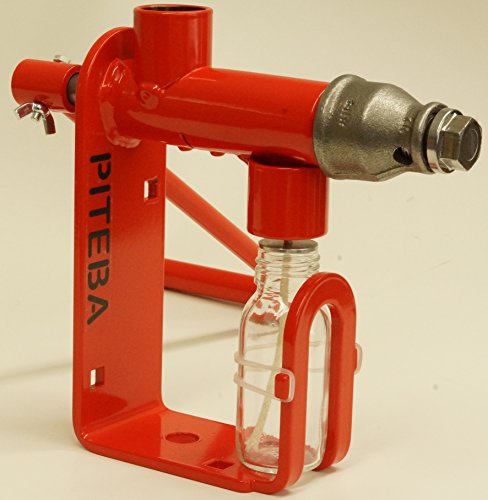
- Needs no external power source
- Compact 4.14-pound design
- Continuous expelling with minimal maintenance
Best For: Portable, off-grid, or occasional manual pressing
Best Temperature-Controlled Pick
110V Stainless Steel Oil Press

- Hot- and cold-press modes
- Digital temperature display and timer
- Stated throughput of 6.61–13.22 lb/h
Best For: Users wanting digital control in a 110V home setup
Best Commercial-Style Output
1800W Automatic Seed Oil Press
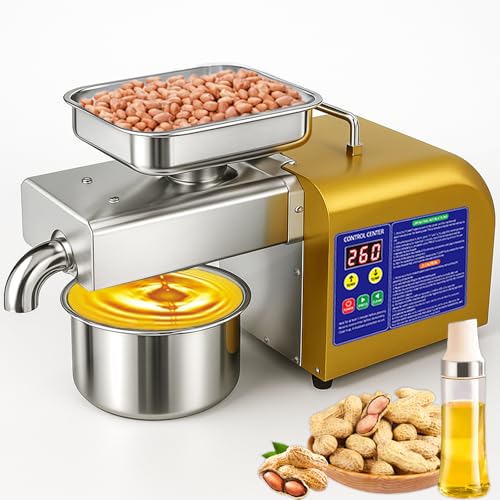
- Stated output of 11–20 lb/h
- 104°F–572°F temperature range
- Automatic heating and pressing controls
Best For: High-volume home or commercial seed-oil production
Best Balanced Electric Oil Press

- Hot-presses up to 8.27 lb per hour
- 122°F–572°F adjustable temperature
- Works with 30+ nuts and seeds
Best For: Versatile home, restaurant, and small-market pressing
Best High-Capacity Electric Oil Press
820W Automatic Hot & Cold Extractor

- Produces up to 9–13.5 lb per hour
- Includes hot and cold pressing modes
- Real-time temperature display
Best For: High-volume pressing at home or in small commercial settings
Best Heavy-Duty Electric Oil Press
1800W Hot & Cold Oil Extractor

- Outputs up to 11–20 lb per hour
- Supports 24-hour continuous operation
- 104°F–572°F temperature control
Best For: High-volume home, farm, workshop, and small-business use
Best with Extra Features
1500W Stainless Steel Oil Press

- 1500W motor with up to 5 kg/hour peanut pressing speed
- Digital temperature display and intelligent control
- Cold, hot, and frying modes for various seeds and nuts
Best For: High-volume pressing with precise temperature monitoring
Most Versatile

- Supports hot and cold pressing for over 30 seed and nut types
- Continuous-feeding hopper helps reduce interruptions
- 40–300°C temperature control and reverse function
Best For: Home kitchens and light commercial pressing
Commercial-Style Value
Adjustable Stainless Steel Oil Press

- Automatic heating with a 50–250°C adjustable range
- Stated processing capacity of 3–6 kg per hour
- Stainless steel, non-fingerprint shell with simple disassembly
Best For: Moderate-volume pressing with automatic heating
Best High-Capacity Pick – VEVOR 11-LB/H Oil Press
For shoppers comparing electric oil presses, the VEVOR stands out for its high stated throughput and broad ingredient compatibility. Adjustable hot- and cold-press temperatures make it suitable for extracting oil from many common nuts and seeds at home or in a small commercial setting.
Best For: Home cooks, restaurants, and small businesses that want a versatile, high-capacity electric press.
Pros:
- Presses up to 11 pounds of flaxseed per hour.
- Adjustable temperature range from 122°F to 572°F supports hot and cold pressing.
- Compatible with more than 30 nuts, seeds, and oil-rich ingredients.
- Includes an oil cup, filter screen, gloves, and cleaning brush.
Cons:
- At 28.7 pounds, it is relatively heavy to move.
- Listed for 220-volt power, so buyers should confirm electrical compatibility.
- Hand-wash care is specified.
This is a strong choice when output and flexibility matter most. Its large capacity and accessories add convenience, but the voltage and substantial weight make it better suited to a dedicated workspace than occasional countertop use.
Best Manual Option – Original Nut and Seed Oil Expeller
Among electric oil presses, this expeller takes a different approach: it is manually operated and requires no external power source. Its compact design and low weight make it a practical option for buyers who prioritize simplicity, portability, and minimal maintenance over automated output.
Best For: Small farms, off-grid users, and anyone seeking a compact manual nut and seed press.
Pros:
- Operates without an external power source.
- Designed for continuous expelling with almost no maintenance.
- Compact and lightweight at about 4.14 pounds.
- Ships from the USA, according to the product title.
Cons:
- Manual operation requires more physical effort than an electric machine.
- The supplied notes do not state a temperature-control system.
- The notes do not provide a processing capacity or oil-yield figure.
This expeller is best viewed as a straightforward, low-tech alternative rather than a high-output electric appliance. It makes sense for occasional pressing, portability, or situations where access to electricity is limited.
Best Temperature-Controlled Pick – 110V Stainless Steel Oil Press
This 110V model is one of the more controlled electric oil presses in the lineup, pairing hot- and cold-press modes with a digital temperature display and automatic temperature regulation. Its stainless-steel construction and detachable components also support repeated kitchen use and cleanup.
Best For: Home users who want digital temperature management and a moderate stated processing range.
Pros:
- Supports both cold and hot pressing.
- Digital panel shows temperature and includes an 8-minute preheat timer.
- Processes a stated 6.61 to 13.22 pounds of raw material per hour.
- 304 stainless-steel construction and detachable parts aid durability and cleaning.
Cons:
- The supplied notes list a maximum power of 610 watts but describe a 150W motor, which may require clarification.
- Hand-wash care is specified.
- The listed ingredient compatibility is narrower than the VEVOR’s stated range.
Choose this press if temperature consistency and a 110V setup are higher priorities than maximum capacity. The digital controls are useful for repeatable pressing, while the stainless-steel build suits regular use.
Best Commercial-Style Output – 1800W Automatic Seed Oil Press
For buyers seeking electric oil presses with extended operating capacity, this automatic 1800W machine is designed for rapid, continuous extraction. It offers hot- and cold-press temperature settings, real-time monitoring, and a stated output of 11 to 20 pounds per hour for suitable oilseeds.
Best For: High-volume household or commercial users who need automatic processing and extended operation.
Pros:
- 1800W power and a stated output of 11 to 20 pounds per hour.
- Temperature range spans 104°F to 572°F.
- Automatic controls display temperature and manage heating and pressing.
- Includes a filter, oil cup, cleaning brush, gloves, hopper, and pressing components.
Cons:
- Freshly pressed oil should settle for 24 hours before separation and use.
- It does not press olives despite mentioning olive kernels; cocoa beans, spices, flowers, herbs, and coffee beans are also excluded.
- At 25.1 pounds, it may be cumbersome for frequent storage and setup.
This model is compelling for buyers who value throughput and automation. Its ingredient restrictions and need for settling freshly pressed oil are important considerations, but the broad temperature range and included kit make it well suited to larger pressing jobs.
Best Balanced Electric Oil Press – VEVOR 8.27-Lb/Hour Oil Press
For shoppers comparing electric oil presses, the VEVOR offers a practical balance of capacity, temperature control, and straightforward maintenance. It can hot-press up to 8.27 pounds of flaxseed per hour and supports more than 30 types of nuts and seeds.
Best For: Home cooks, restaurants, and small markets that want versatile hot-pressed oil production.
Pros:
- Adjustable hot-press temperatures from 122°F to 572°F.
- Handles more than 30 nuts, seeds, and oil-rich ingredients.
- Includes an oil cup, filter screen, gloves, and cleaning brush.
- Stainless steel core components are designed for high-temperature pressing.
Cons:
- Supports hot pressing rather than a listed cold-press mode.
- Its stated throughput is lower than the higher-capacity models in this roundup.
The VEVOR is a sensible choice when ingredient flexibility and adjustable heat matter more than maximum production speed. Its included accessories and wipe-clean construction also make it approachable for regular home or light commercial use.
Best High-Capacity Electric Oil Press – 820W Automatic Hot & Cold Extractor
This 820W model stands out among electric oil presses for its listed 9–13.5-pound-per-hour output and separate hot- and cold-press modes. Its intelligent panel displays oil temperature in real time, helping users adjust settings for different ingredients.
Best For: Home or commercial users who want high throughput with both hot- and cold-pressing options.
Pros:
- Offers hot and cold pressing for different extraction preferences.
- Rated for continuous operation of up to 24 hours.
- Temperature range spans 104°F to 464°F.
- Stainless steel construction and wear-resistant pressing components support durability.
Cons:
- Not suitable for olives, cocoa beans, spices, flowers, herbs, or coffee beans.
- Hand-wash care may require more cleanup time.
Choose this machine if output and mode flexibility are priorities. The digital controls and real-time temperature display add convenience, while the clearly listed ingredient restrictions are important to check before buying.
Best Heavy-Duty Electric Oil Press – 1800W Hot & Cold Oil Extractor
For demanding electric oil press use, this 1800W machine combines a stated 11–20-pound-per-hour output with hot and cold modes and 24-hour continuous-operation capability. Its broad temperature range and reverse function make it suited to larger, repeated batches.
Best For: Farms, workshops, small businesses, and households needing high-output oil extraction.
Pros:
- Delivers a listed output of 5–9 kg, or about 11–20 pounds, per hour.
- Supports both hot and cold pressing across more than 30 ingredients.
- Temperature adjusts from 104°F to 572°F with LED monitoring.
- Reverse function helps release the pressing rod and reduce clogging.
Cons:
- The 26-pound machine is heavier than the VEVOR model.
- Its higher power and commercial-oriented capacity may be more than occasional users need.
This is the strongest fit for buyers who value throughput and extended operation. The reinforced pressing system, complete accessory kit, and reverse function add practical support for frequent batches and cleanup.
Best with Extra Features – 1500W Stainless Steel Oil Press
For shoppers comparing electric oil presses, this 1500W model stands out for its intelligent temperature control, stainless steel construction, and claimed capacity of up to 5 kg of peanuts per hour. Its cold- and hot-press settings make it suitable for a broad range of oil-bearing seeds and nuts.
Best For: Users who want a high-powered machine with digital temperature monitoring and extended operating capability.
Pros:
- 1500W motor with a stated pressing speed of up to 5 kg per hour for peanuts
- Digital display provides temperature setting and real-time monitoring
- Supports cold pressing, hot pressing, and frying modes
- Stainless steel construction and included accessories support regular use
Cons:
- The 1500W power rating may be more than needed for occasional household batches
- The notes do not specify the machine’s dimensions or weight
Choose this model if throughput, broad ingredient compatibility, and hands-on temperature control matter most. Its stated 24-hour operating capability also makes it appealing for demanding workloads, though buyers should confirm setup and maintenance requirements before purchase.
Most Versatile – 820W Hot and Cold Oil Press
This 820W model is one of the more flexible electric oil presses for home kitchens and light commercial use. It combines hot and cold pressing, continuous feeding, adjustable 40–300°C temperature control, and a reverse function designed to help with clog release and cleanup.
Best For: Home users and small-scale operators who value continuous feeding, ingredient flexibility, and easier cleanup.
Pros:
- Works with more than 30 types of seeds and nuts, according to the product notes
- Open hopper supports continuous feeding during operation
- LED display shows operating temperature with an adjustable 40–300°C range
- Includes a filter, cleaning brush, heat-resistant glove, and other startup accessories
Cons:
- Its 820W motor is lower powered than the 1500W option in this roundup
- The notes do not provide a specific pressing rate or oil-yield percentage
The combination of continuous feeding and reverse control gives this press a practical edge for repeated batches. It is a strong fit when convenience and versatility are more important than the highest stated motor power.
Commercial-Style Value – Adjustable Stainless Steel Oil Press
Among these electric oil presses, this stainless steel machine offers automatic heating, adjustable 50–250°C temperature control, and a stated raw-material capacity of 3–6 kg per hour. It is designed for common ingredients such as peanuts, sesame, canola, soybeans, and sunflower seeds.
Best For: Buyers seeking a stainless steel press with automatic heating and a moderate stated processing capacity.
Pros:
- Temperature can be adjusted from 50–250°C with displayed heating values
- Claims a raw-material processing rate of 3–6 kg per hour
- Non-fingerprint stainless steel shell is positioned as easy to clean and corrosion resistant
- Simple installation and disassembly are highlighted in the product notes
Cons:
- The supplied information contains conflicting motor descriptions, listing 610W/600W and also 150W
- Product care instructions specify hand washing only
- The notes do not state a precise oil-output rate for every ingredient
This model makes sense for shoppers who want automatic heating and a cleanable stainless steel exterior without stepping up to the highest-powered option. Because the listed motor specifications conflict, verify the exact wattage with the seller before ordering.
How We Picked the Best Electric Oil Presses
We evaluated these Electric Oil Presses by comparing the features that matter most during real pressing jobs: stated throughput, temperature range, hot- and cold-press compatibility, motor power, control design, feeding and reverse functions, and suitability for home or commercial use. We also considered whether each machine appears practical for repeated operation, cleaning, and different types of seeds and nuts.
Product specifications can vary by seed type, moisture level, preparation, and operating temperature, so advertised capacity should be treated as a benchmark rather than a guaranteed output. Models with more power or larger hoppers may process material faster, while lower-wattage machines can be easier to place and operate in a home kitchen.
Quick Comparison
| Priority | What to look for | Best fit |
|---|---|---|
| Small-batch home pressing | Compact design, straightforward controls, and moderate output | Occasional users and hobbyists |
| Temperature flexibility | Adjustable settings and both hot- and cold-press modes | Users pressing varied seeds and nuts |
| Higher productivity | Higher wattage, larger capacity, and continuous-feed operation | Frequent or commercial use |
| Process control | LCD or digital controls, reverse function, and automatic operation | Users who want repeatable batches |
Key Buying Factors for Electric Oil Presses
Capacity and Real-World Output
Match the machine’s advertised pounds-per-hour or kilograms-per-hour rating to your workload. A high-capacity press is useful for regular production, but it may take up more counter space and require more cleaning. For occasional household batches, a smaller unit may be more practical.
Hot and Cold Pressing
Cold pressing generally prioritizes lower-temperature extraction, while hot pressing can improve flow and yield for some ingredients. An adjustable temperature range gives you more control, but confirm that the machine provides the operating range and controls you actually need.
Power, Feeding, and Reverse Controls
Higher wattage can support demanding workloads, although motor power alone does not determine extraction performance. Continuous feeding helps with larger batches, while a reverse function can help clear jams. These features are especially valuable when pressing harder seeds or operating for extended periods.
Construction and Cleanup
Stainless steel components are desirable for durability and easier maintenance. Check which parts contact food, whether the pressing chamber can be disassembled, and how easily residue can be removed. A machine that is difficult to clean may discourage frequent use.
Controls, Safety, and Workspace
Digital panels can simplify temperature and timing adjustments, while simpler switches may be faster to learn. Look for overheating protection, stable footing, clear instructions, and a power specification compatible with your outlet. Allow ventilation and enough clearance around the press during operation.
Who Should Buy Which Electric Oil Presses?
Choose a Compact, Lower-Output Model If…
You press small batches, have limited counter space, and value a simpler machine over maximum throughput. These models are generally better suited to home experimentation and occasional use.
Choose an Adjustable Hot-And-Cold Press If…
You work with multiple seed or nut varieties and want to tune temperature for different ingredients. This is the most versatile choice for users who care about process control and recipe flexibility.
Choose a High-Output Commercial-Style Press If…
You process oil frequently, need faster batch times, or plan to serve a small business, farm, or production workspace. Prioritize continuous operation, durable construction, easy cleaning, and reliable controls over the lowest purchase price.