Seasonal harvests can produce an abundance of nuts and seeds, but turning that raw material into fresh oil requires the right equipment. The best oil presses balance extraction performance, temperature control, capacity, and cleanup without making small-batch processing unnecessarily difficult.
We compared ten home, manual, and commercial-style models to help you choose an oil press suited to your harvest volume, preferred ingredients, workspace, and budget.
Best 10 Oil Presses for Seasonal Harvests Picks for 2026
High-Capacity Hot/Cold Pick

- Hot- and cold-press modes
- Up to 9–13.5 lb/hour capacity
- Temperature display and adjustment
Best For: Varied seed and nut harvests
Off-Grid Simplicity Pick
- No external power required
- Compact 5.2-pound tool
- Designed for continuous expelling
Best For: Small farms and power-free processing
Kitchen-Friendly Low-Temperature Pick
Household Low-Temperature Oil Press

- Simple preheat-and-start controls
- Presses dry or moist oilseeds
- Stated 6 lb/hour processing speed
Best For: Home kitchen seed and nut batches
High-Throughput Harvest Pick
- Rated for 11–20 lb/hour
- 104–572°F temperature range
- Designed for continuous operation
Best For: Large seasonal harvests and commercial-style batches
High-Throughput Pick

- Two independent motors and oil outlets
- Automatic preheating and pressing
- Designed for extended continuous operation
Best For: Larger seasonal batches and multi-material pressing
Hands-On Budget Pick

- Manual, chemical-free physical pressing
- 304 stainless-steel construction
- One-liter capacity for smaller batches
Best For: Occasional home pressing of suitable seeds and nuts
Temperature-Control Pick
Adjustable 610W Seed Oil Maker

- 50–250°C adjustable pressing range
- Automatic heating with temperature display
- Listed throughput of 3–6 kg per hour
Best For: Controlled pressing of varied seeds and nuts
Best Temperature-Controlled Pick
CGOLDENWALL Automatic Oil Press

- Cold and hot pressing
- 32–572°F temperature control
- 10 lb/hour stated peanut capacity
Best For: Versatile home batches of dry, oil-rich seeds and nuts
Best Compact Seasonal-Batch Option

- Cold and hot pressing
- 3–6 kg/h stated range
- Corded electric operation
Best For: Moderate household batches of flax, peanut, hemp, perilla, canola, or sesame
Best Heavy-Duty Harvest Pick
CGOLDENWALL 1500W Commercial Oil Press

- 1500W industrial motor
- Up to 24-hour continuous operation stated
- Cold and hot pressing
Best For: Commercial or high-volume seasonal harvest processing
High-Capacity Hot/Cold Pick – 820W Automatic Oil Press
For seasonal harvests that include several types of seeds and nuts, this 820-watt oil press offers both hot- and cold-press modes. Its temperature controls, stainless-steel construction, and stated capacity of up to 9–13.5 pounds per hour make it a practical option for repeated home or small-commercial batches.
Best For: Users processing peanuts, walnuts, sunflower seeds, sesame, soybeans, flax, okra, or perilla seeds who want adjustable pressing temperatures.
Pros:
- Offers hot- and cold-press settings with a 104–464°F temperature range.
- Powerful 820W motor and all-steel gears support continuous operation.
- Intelligent panel displays and adjusts temperature during operation.
- Includes a filter, oil cup, cleaning brush, gloves, hopper, and press components.
Cons:
- It is not intended for olives, cocoa beans, spices, flowers, herbs, or coffee beans.
- Hand washing is required for care.
This is a versatile choice when a seasonal harvest varies from batch to batch. The main limitation is its restricted ingredient list, so confirm that your crops are compatible before buying.
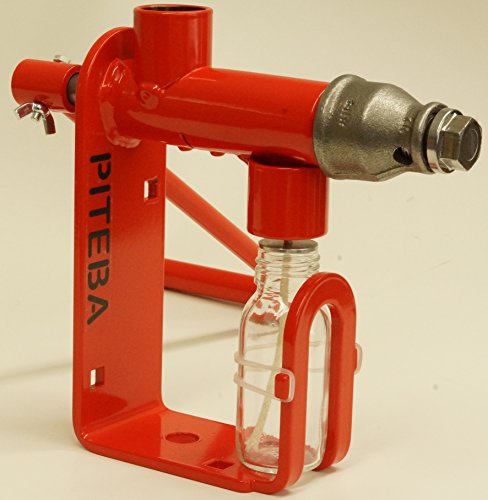
Off-Grid Simplicity Pick – Manual Nut and Seed Expeller
For seasonal harvests where portability and independence matter more than speed, this manually operated nut and seed expeller is a compact alternative. It requires no external power source, weighs about 5.2 pounds according to the product notes, and is designed for continuous expelling with minimal maintenance.
Best For: Small farms, preparedness-minded users, and anyone who wants a simple manual tool for nut and seed oil extraction.
Pros:
- Operates manually without electricity or another external power source.
- Compact design is suited to storage, transport, or small work areas.
- Designed for high extraction efficiency and continuous expelling.
- Requires almost no maintenance.
Cons:
- Manual operation is likely less convenient for large harvest volumes.
- The supplied notes do not specify supported seeds, output rate, or included accessories.
This expeller is best viewed as a straightforward, low-dependency option rather than a high-throughput machine. Its compact, power-free design can be especially useful when processing needs are modest or electricity is unavailable.
Kitchen-Friendly Low-Temperature Pick – Household Low-Temperature Oil Press
For seasonal harvests processed in a kitchen or home workspace, this household oil press emphasizes simple controls and low-temperature extraction. A preheat button, automatic operation, constant-temperature heating, and an integrated cooling fan reduce the hands-on work for batches of seeds and nuts.
Best For: Home users pressing peanuts, sesame, walnuts, almonds, pumpkin seeds, rapeseed, and other compatible oilseeds.
Pros:
- Simple preheat-and-start operation is designed to be foolproof.
- Accepts dry or moist oilseeds without requiring pre-roasting.
- Food-grade 304 stainless-steel pressing components support physical extraction.
- Low-temperature operation and cooling support continuous squeezing at a stated 6 pounds per hour.
Cons:
- Its stated processing speed is lower than the larger commercial-oriented presses in this roundup.
- Olives require pit removal before pressing.
- The 22-pound machine is not especially lightweight for frequent relocation.
This is a practical fit for users who value uncomplicated controls and low-temperature processing over maximum throughput. It also offers useful flexibility for harvests that are not perfectly dry, although each batch still requires cleaning after use.
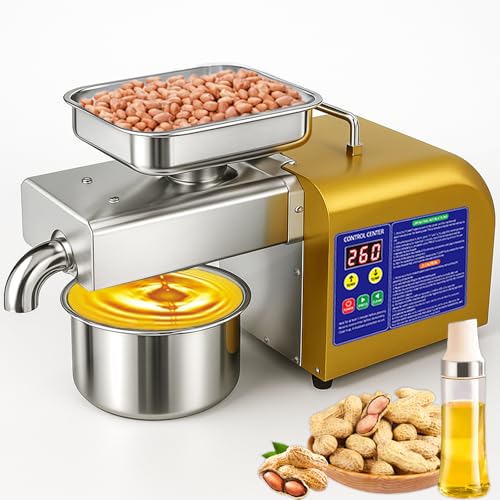
High-Throughput Harvest Pick – 1800W Hot/Cold Oil Press
When seasonal harvests produce substantial volumes, this 1800-watt automatic press is built around speed and long operating sessions. It supports hot and cold extraction, offers a 104–572°F temperature range, and is rated in the supplied notes for approximately 11–20 pounds per hour with continuous operation.
Best For: Home or commercial users processing large batches of peanuts, walnuts, sunflower seeds, sesame, almonds, soybeans, flax, okra, perilla seeds, or olive kernels.
Pros:
- Powerful 1800W motor is designed for faster, higher-volume extraction.
- Supports hot and cold settings with real-time temperature monitoring.
- All-steel gears and a wear-resistant stainless-steel pressure rod are designed for durability.
- Includes a filter, oil cup, cleaning brush, gloves, hopper, and pressing components.
Cons:
- Freshly pressed oil should settle for 24 hours before separation and use.
- It cannot extract whole olives, and the notes exclude cocoa beans, spices, flowers, herbs, and coffee beans.
- Its higher power and commercial-oriented capacity may be more than needed for small batches.
This is the strongest throughput choice in the group for a sizable seasonal crop. Buyers should plan for settling time after pressing and verify that their harvest falls within the listed ingredient limitations.
High-Throughput Pick – Dual-Outlet 1500W Oil Press
For larger seasonal harvests, this electric model is designed to keep pressing moving with two independent 1500W motors and double oil outlets. Its automatic controls, stainless-steel construction, and stated continuous-work capability make it a practical option when you need to process different materials or larger batches of oil presses for seasonal harvests.
Best For: Commercial or domestic users processing multiple materials and larger seasonal batches.
Pros:
- Two independent motors and outlets can press different materials at the same time.
- Automatic preheating and pressing simplify operation.
- Four-stage gears are designed for lower wear and up to 24 hours of continuous work.
- Stainless-steel body and noise below 70 dB support regular use.
Cons:
- Its 1500W power rating may be more machine than occasional users need.
- Requires about eight minutes of preheating before pressing.
- Uses a 110V AC power source.
This is the strongest fit of the three for throughput-focused seasonal processing, particularly if two outlets or simultaneous operation are useful. The automated controls add convenience, while the larger footprint and higher power draw suit a dedicated work area.
Hands-On Budget Pick – Manual Household Oil Press
This compact manual press is suited to shoppers who want a straightforward, non-electric approach to oil presses for seasonal harvests. Its 304 stainless-steel body, one-liter capacity, and physical pressing method make it appropriate for smaller batches of suitable oil-rich seeds and nuts.
Best For: Home users pressing small batches of peanuts, sunflower seeds, sesame, walnuts, or similar oil-rich crops.
Pros:
- Manual operation requires no electric motor.
- 304 stainless-steel body and handle are designed to resist rust.
- Compact, portable design with a one-liter capacity.
- Includes a one-year warranty and English instructions.
Cons:
- Requires manual effort and continuous heating during use.
- Not recommended for flaxseed, rapeseed, or olives according to the supplied notes.
- Hand-wash care may add cleanup time.
This model favors control and simplicity over speed. It can make sense for occasional household pressing when your harvest consists of compatible, oil-rich materials and you prefer a compact manual tool rather than an automated machine.
Temperature-Control Pick – Adjustable 610W Seed Oil Maker
For harvests that benefit from adjustable pressing conditions, this electric machine offers a 50–250°C temperature range and automatic heating controls. It is built for several seed and nut types, with a stated processing rate of 3–6 kg per hour, making it a versatile middle-ground choice among oil presses for seasonal harvests.
Best For: Users who want adjustable hot or cold pressing for seeds, nuts, and other listed materials.
Pros:
- Temperature can be adjusted from 50–250°C.
- Automatic heating and temperature display support controlled pressing.
- Stated processing capacity is 3–6 kg per hour.
- Non-fingerprint stainless-steel shell is designed for easier cleaning and corrosion resistance.
Cons:
- Hand-wash care is specified.
- The supplied listing contains inconsistent power references, identifying the unit as both 610W and 600W while one bullet mentions a 150W motor.
- Temperature-controlled operation may be unnecessary for users seeking a simple manual press.
This is a flexible option for seasonal harvests where temperature control matters. Its listed throughput and broad material compatibility are useful, but shoppers should confirm the exact motor and wattage specifications before purchase.
Best Temperature-Controlled Pick – CGOLDENWALL Automatic Oil Press
For seasonal harvests that vary from seeds to nuts, this 1000W CGOLDENWALL press offers both cold and hot pressing plus an intelligent temperature controller. Its stainless-steel build and stated 10-pound-per-hour peanut capacity make it a versatile option for regular home batches.
Best For: Home users pressing a broad range of dry, oil-rich seeds and nuts who want adjustable temperatures.
Pros:
- Supports cold and hot pressing with a 32–572°F temperature range.
- Handles many materials, including sunflower seed, walnut, peanut, flax, sesame, and pumpkin seeds.
- Includes two pots, a filter, brush, gloves, squeeze, and tool set.
- Features a 1000W motor, auto-reversing function, and 304 food-grade stainless steel.
Cons:
- Raw materials must be sufficiently dry, and the empty machine requires preheating.
- At 29 pounds, it is portable but not especially lightweight.
- Materials should generally contain more than 15% oil for extraction.
Its temperature flexibility and included accessories make it a practical all-around choice for changing seasonal harvests. The main trade-offs are preparation requirements and a fairly substantial countertop footprint.
Best Compact Seasonal-Batch Option – Home Automatic Oil Press
For seasonal harvests processed in smaller household batches, this automatic stainless-steel oil press is designed for cold and hot nut-oil extraction. Its listed 3–6 kg/h range suits users who want electric operation without stepping up to a larger industrial machine.
Best For: Home users pressing flax, peanut, hemp, perilla, canola, or sesame in moderate seasonal quantities.
Pros:
- Supports both cold and hot pressing.
- Lists a 3–6 kg/h extraction range.
- Uses a corded electric power source for automatic operation.
- Stainless-steel construction and blade material are specified.
Cons:
- The supplied details do not specify temperature-control settings.
- The notes do not list included accessories, dimensions, or warranty coverage.
- Its 170W rating is lower than the other presses in this roundup.
This model is worth considering when your seasonal pressing needs are moderate and you prefer a compact electric format. Because the supplied specifications are limited, confirm capacity, controls, and included equipment before buying.
Best Heavy-Duty Harvest Pick – CGOLDENWALL 1500W Commercial Oil Press
For larger seasonal harvests, this 1500W commercial CGOLDENWALL press is built around a heavy-duty industrial motor and an all-stainless-steel design. It supports cold and hot pressing and is described as capable of continuous operation for up to 24 hours, making it suited to demanding workloads.
Best For: Commercial or high-volume users processing dry, oil-rich seeds and nuts during extended harvest runs.
Pros:
- 1500W industrial motor is specified for continuous operation up to 24 hours.
- High-speed plasma pressing rod is designed to extend pressing time and improve oil yield.
- Provides automatic constant-temperature heating with cold and hot pressing modes.
- Works with materials such as sunflower seed, soybean, peanut, flax, rapeseed, and sesame.
Cons:
- This listed version uses 220V power, so electrical compatibility must be checked.
- Olive oil pressing is specifically not recommended.
- Cold and hot pressing still require suitable dry materials.
This is the strongest fit for buyers who need sustained throughput rather than occasional countertop pressing. Its 220V requirement and commercial format make it less convenient for typical household kitchens, but valuable for larger harvest workloads.
How We Picked the Best Oil Presses for Seasonal Harvests
We focused on the factors that matter most during harvest processing: motor power, hot- and cold-press capability, temperature adjustment, hopper and chamber design, construction materials, operating style, and likely batch capacity. The selection includes compact household machines, manual presses, and higher-powered commercial models so different users can find a practical match.
Because product specifications and included accessories can vary, confirm the current listing for dimensions, voltage, warranty coverage, cleaning instructions, and the seeds each machine is designed to handle before ordering.
Quick Comparison
| Best For | Look For | Likely Advantage |
|---|---|---|
| Occasional home use | Automatic operation and compact design | Easier setup and simpler batch processing |
| Small seasonal harvests | Hot/cold modes and adjustable temperature | More control over different seeds and nuts |
| Frequent or larger batches | Higher wattage, stainless steel construction, and larger feed capacity | Faster processing and better durability |
| Maximum hands-on control | Manual expeller with sturdy frame | No electrical power required |
Key Buying Factors for Oil Presses for Seasonal Harvests
Capacity and Workload
Estimate how much material you will press in a typical session rather than choosing solely by motor wattage. A compact household model may be sufficient for occasional flax, sesame, or peanut batches, while large harvests call for a commercial-style machine built for longer operating periods.
Hot Versus Cold Pressing
Cold pressing can be useful when you want to limit added heat, but it may produce different yields and require well-prepared ingredients. Hot pressing can improve flow for some seeds and nuts. Adjustable temperature controls are valuable if you process several crops with different characteristics.
Construction and Maintenance
Stainless steel components are generally easier to wipe down and may better withstand repeated use. Check whether the pressing chamber, nozzle, and other oil-contact parts are removable. Cleanup is especially important after oily materials or batches with fine residue.
Power, Controls, and Safety
Higher wattage can support demanding workloads, but it does not guarantee better extraction by itself. Look for clear controls, overheating protection, stable footing, ventilation requirements, and a voltage specification that matches your outlet.
Who Should Buy Which Oil Presses for Seasonal Harvests?
Choose a household automatic press if you want convenient processing for modest quantities and prefer push-button operation. These models are a sensible fit for kitchens, hobbyists, and people experimenting with several seeds.
Choose a manual press if you process small batches, want a power-free option, or value mechanical simplicity over speed. It requires more effort but can work well in locations without convenient electricity.
Choose a higher-powered commercial machine if your seasonal harvests are substantial or you expect repeated batches. Prioritize construction quality, temperature control, cooling requirements, and service support before buying.
For the best result, clean and dry seeds thoroughly, follow the manufacturer’s feed-rate guidance, and allow the machine to cool as recommended between batches.