Small-batch fermentation is easier when your vessel is sized for everyday kitchens. The best compact fermentation crocks provide a stable environment for kimchi, sauerkraut, pickles, and other vegetable ferments without taking over your counter or pantry.
We’ve gathered ten options ranging from compact stoneware jars to larger one-gallon crocks, including models with water-seal lids, ceramic weights, and wide-mouth glass designs. Use the guide below to match capacity, materials, and maintenance requirements to your routine.
Best 10 Compact Fermentation Crocks Picks for 2026
Best Compact Earthenware Pick
Inner Vacuum Lid Fermentation Container
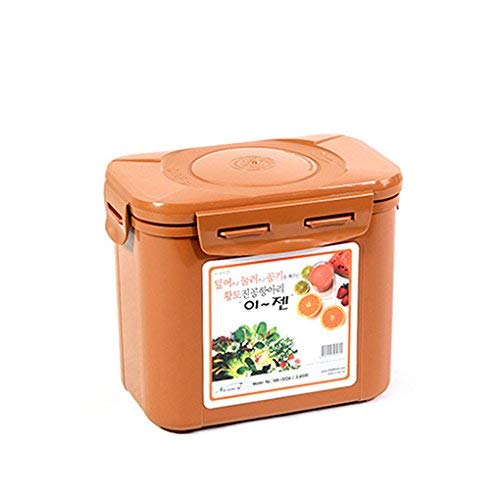
- 1.7-liter size for small batches
- Airtight inner vacuum lid
- Dishwasher-safe earthenware design
Best For: Small-batch kimchi, sauerkraut, and pickled vegetables
Best Large-Batch Jar Set
Wide-Mouth Glass Fermentation Jars

- Two one-gallon glass jars
- 4.3-inch wide mouths
- Includes airlocks and gaskets
Best For: Large batches of sauerkraut, kombucha, pickles, and other ferments
Best Traditional Crock Upgrade

- Large 7-liter stoneware capacity
- Wide waterlock seal
- Includes weights and wooden tamper
Best For: Frequent, large-batch sauerkraut, kimchi, and vegetable fermentation
Best Small Glass Water-Seal Crock

- Compact 1.5-liter capacity
- Traditional water-seal lid
- Clear glass for easy viewing
Best For: Small household batches of pickles, kimchi, and sauerkraut
Traditional Batch Pick

- 1.3-gallon glazed ceramic vessel
- Water-sealed lid, weights, and tamper included
- Designed for sauerkraut, kimchi, and pickles
Best For: Medium-size vegetable fermentation batches
Small-Batch Favorite

- Space-conscious 1.5-liter ceramic design
- Water-seal lid helps keep outside air and dust out
- Suitable for smaller household fermentation batches
Best For: Small kitchens and modest batches
Large Porcelain Workhorse

- Large 7-liter capacity for family-size batches
- High-fired porcelain with water-seal moat
- Includes weights, tamper, and care guide
Best For: Frequent, larger-batch fermentation
Best All-Around Choice
HomeBuddy 1-Gallon Ceramic Fermentation Crock

- Complete kit with weights, pounder, recipes, and guide
- Lead-free, double-glazed ceramic construction
- Water-seal lid with large, ergonomic handles
Best For: Home fermenters wanting a ready-to-use 1-gallon setup
Best Restaurant-Style 1-Gallon Pick
Glazed Stoneware Fermentation Crock

- 3.8-liter capacity for substantial vegetable batches
- Includes stone weights, lid, and pickle tamper
- Smooth lead- and cadmium-free glazed surface
Best For: Batch fermenters wanting a durable 1-gallon crock
Best Small-Batch Option
2-Liter Stoneware Fermentation Crock

- Compact 2-liter capacity for smaller batches
- Includes stone weights and a lid
- Glazed, lead- and cadmium-free ceramic surface
Best For: Individuals and small households fermenting modest quantities
Best Compact Earthenware Pick – Inner Vacuum Lid Fermentation Container
If you want compact fermentation crocks for small batches of kimchi, pickles, or sauerkraut, this 1.7-liter earthenware container is designed for straightforward countertop use. Its inner vacuum lid helps create an airtight environment, while the lightweight rectangular format is easy to handle and store.
Best For: Small-batch kimchi, sauerkraut, and pickled vegetables in a compact container.
Pros:
- 1.7-liter capacity suits modest fermentation batches.
- Inner vacuum lid and airtight closure help limit outside air exposure.
- Dishwasher, freezer, and microwave safe according to the supplied details.
- Can also store dry goods such as grains, beans, flour, and pasta.
Cons:
- Its smaller capacity is not intended for large fermentation projects.
- The polypropylene lid may be less traditional than a fully ceramic crock.
This is a practical compact option for cooks who want one easy-care vessel for both fermentation and pantry storage. The rectangular design and 1.7-liter size make it particularly suitable where counter and cabinet space are limited.
Best Large-Batch Jar Set – Wide-Mouth Glass Fermentation Jars
These one-gallon glass jars are a useful alternative to compact fermentation crocks when you need more volume but still want accessible handling. The 4.3-inch openings make it easier to add ingredients, while the included airlocks and gaskets support controlled fermentation for sauerkraut, kombucha, pickles, and more.
Best For: Larger batches and fermenters who want two jars with airlock accessories.
Pros:
- Two one-gallon, wide-mouth jars provide substantial capacity.
- Food-grade glass is reusable, transparent, and dishwasher safe.
- Includes three airlocks, silicone grommets, labels, and a pen.
- Built-in measurement markings can reduce the need for separate measuring tools.
Cons:
- The jars are considerably larger and heavier than compact fermentation crocks.
- Glass requires care around extreme temperature changes.
- The supplied dimensions and seven-pound package weight may make storage more demanding.
This set is best viewed as a high-capacity fermentation kit rather than a space-saving crock. Its wide mouths and included airlock components make it well suited to batch-oriented projects, provided you have room for two large glass jars.
Best Traditional Crock Upgrade – TOMO 7L Waterlock Crock
For shoppers comparing compact fermentation crocks with larger traditional vessels, the TOMO 7L crock offers a stoneware construction and waterlock seal aimed at repeat batch making. It includes two weights and a wooden tamper, with a fully glazed interior designed for easier cleaning and odor resistance.
Best For: Experienced fermenters making substantial batches of sauerkraut, kimchi, pickled vegetables, or kombucha.
Pros:
- 7-liter capacity can accommodate approximately five to seven cabbages.
- Wide waterlock seal allows gases to escape while helping keep air out.
- Includes two ceramic weights and a wooden tamper.
- Non-porous glazed interior is designed to resist odors and crazing.
Cons:
- At 7L and over 10 pounds, it is not a compact or especially portable option.
- The larger format may be excessive for occasional or small-batch users.
- Cleaning is specified with warm soap and water rather than dishwasher care.
This is the choice for capacity and traditional crock performance rather than minimal footprint. If your priority is making multiple jars of sauerkraut at once, its waterlock, weights, and tamper form a more complete setup than many smaller containers.
Best Small Glass Water-Seal Crock – 1.5L Fermentation Jar
This 1.5-liter glass jar is one of the more compact fermentation crocks for households making smaller batches. Its water-seal lid is designed to help keep dust and unwanted air out, while the clear glass lets you view the contents during fermentation.
Best For: Two- to three-person households making small batches of pickles, kimchi, sauerkraut, or vegetables.
Pros:
- Compact 1.5-liter capacity suits smaller households.
- Water-seal lid helps create an airtight fermentation environment.
- Thick glass is intended for repeated use and works for many preserved foods.
- The glass lid can also serve as a bowl for holding pickles.
Cons:
- Hand washing is required according to the care instructions.
- The water seal needs replenishing weekly during use.
- It includes a jar but does not list separate fermentation weights or tamper tools.
This jar balances a traditional water-seal approach with a genuinely small footprint. It is a sensible fit for beginners or smaller households who do not need the capacity of a full-size crock and are comfortable monitoring the water seal.
Traditional Batch Pick – 1.3-Gallon Ceramic Crock
This 1.3-gallon ceramic crock is a practical choice among compact fermentation crocks when you want room for seasonal vegetables without moving to an especially large vessel. It includes a water-sealed lid, weights, and a tamper for making sauerkraut, kimchi, pickles, and other fermented vegetables.
Best For: Home fermenters who want a traditional ceramic crock with included accessories for medium-size batches.
Pros:
- 1.3-gallon capacity suits a range of vegetable ferments.
- Water-sealed lid allows gas to escape while helping limit oxidation, odors, and outside contamination.
- Includes weighting stones and a pickle tamper to keep vegetables below the brine.
- Lead- and cadmium-free glazed ceramic surface is designed for food-safe use and easier cleaning.
Cons:
- At 10.6 pounds, it is relatively substantial for a compact crock.
- The supplied dimensions indicate a fairly tall footprint that may need dedicated storage space.
Choose this model if you value a traditional crock setup and want the core tools included. Its glazed ceramic construction and water-sealed design make it a versatile option for regular vegetable fermentation.
Small-Batch Favorite – 1.5-Liter Water-Seal Jar
This 1.5-liter ceramic jar is one of the more space-conscious compact fermentation crocks for smaller household batches. Its water-seal lid is designed to create an airtight environment, while the curved, light-yellow ceramic form can also work as a countertop kitchen piece.
Best For: Couples or small families making modest batches of pickles, kimchi, sauerkraut, and similar ferments.
Pros:
- Compact 1.5-liter capacity is suited to smaller kitchens and batches.
- Water-seal channel helps keep dust and outside air from entering the jar.
- Thick ceramic construction is intended for repeated homemade use.
- Can be used for several foods and preparations, including pickles, kimchi, sauerkraut, jams, and sauces.
Cons:
- The notes do not mention included fermentation weights or a tamper.
- The water channel needs to be refilled weekly to maintain the seal.
- Its 1.5-liter capacity is less suitable for large family-size batches.
This jar is a sensible pick when countertop space and batch size matter most. The main maintenance task is remembering to add water to the ceramic channel regularly so the seal remains effective.
Large Porcelain Workhorse – 7-Liter Water-Seal Crock
This 7-liter crock is the largest option here, so it is compact only relative to very large fermentation vessels. Its high-fired porcelain construction, water moat, and included accessories are aimed at reliable, repeatable batches of sauerkraut, kimchi, pickles, and other vegetables.
Best For: Families and regular fermenters who want to process several cabbage heads or produce multiple jars per batch.
Pros:
- 7-liter, 1.8-gallon capacity can hold approximately 5–7 whole heads of cabbage and yield up to 12 jars, according to the supplied notes.
- Wide-channel water seal allows carbon dioxide to escape while helping keep oxygen and contaminants out.
- Includes two ceramic weights, a wooden tamper, and a printed care and use guide.
- Thick opaque porcelain helps block light and buffer temperature changes.
Cons:
- Its larger capacity and substantial construction require more counter and storage space.
- Hand washing is recommended.
- It is likely more crock than needed for occasional or very small batches.
This is the strongest fit for a dedicated fermentation station or a household that wants to make large batches regularly. The water seal and included tools reduce setup friction, while the white porcelain finish is designed to remain presentable on the counter.
Best All-Around Choice – HomeBuddy 1-Gallon Ceramic Fermentation Crock
For shoppers comparing compact fermentation crocks, the HomeBuddy combines a 1-gallon ceramic vessel with included weights, a lid, and a wooden pounder. Its water-seal design is intended to let gases escape while limiting outside air, making it suitable for small-batch sauerkraut, kimchi, pickles, and similar vegetables.
Best For: Home fermenters who want a complete 1-gallon kit with helpful accessories.
Pros:
- Food-grade, lead-free, double-glazed ceramic is designed not to absorb unwanted smells or tastes.
- Includes ceramic weights, an acacia wood pounder, recipe book, and user guide.
- Large handles and a wide base make the crock easier to lift and maneuver.
- Water-seal lid supports an anaerobic fermentation environment.
Cons:
- Hand wash only.
- At 8.8 pounds, it is heavier than a small glass jar setup.
- Its 1-gallon capacity may be more than needed for occasional or very small batches.
The HomeBuddy stands out when convenience matters as much as capacity. The included pounder and recipe materials make it especially approachable for beginners, while the sturdy ceramic construction and water seal suit regular vegetable fermentation.
Best Restaurant-Style 1-Gallon Pick – Glazed Stoneware Fermentation Crock
This 3.8-liter, 1-gallon crock is a practical option among compact fermentation crocks for preparing sauerkraut, kimchi, pickles, vegetables, or kombucha. It includes stone weights, a lid, and a pickle tamper, while its smooth glazed interior is designed for easier cleaning.
Best For: Families or batch fermenters seeking a durable 1-gallon stoneware crock.
Pros:
- Thick, food-grade ceramic construction is intended for repeated use.
- Includes stone weights, lid, and pickle tamper.
- Water-seal design allows gases to escape while helping keep outside air out.
- Lead- and cadmium-free glazed surface is smooth and designed for convenient washing.
Cons:
- The 1-gallon size may be bulky for very small kitchens or test batches.
- The supplied notes do not specify handles or a separate recipe guide.
- Its approximately 7.73-pound weight adds some handling effort.
Choose this crock if you prefer a straightforward stoneware fermenter with the core accessories included. Its stated capacity is suited to larger vegetable batches, and the glazed finish should make routine cleanup less demanding.
Best Small-Batch Option – 2-Liter Stoneware Fermentation Crock
When a full gallon feels excessive, this 2-liter crock offers a more manageable format for compact fermentation crocks. The glazed stoneware vessel includes stone weights and a lid, and its water-seal design is intended for fermenting smaller batches of sauerkraut, kimchi, pickles, vegetables, or kombucha.
Best For: Individuals and small households making modest fermentation batches.
Pros:
- 2-liter, 0.5-gallon capacity takes up less space than a 1-gallon crock.
- Includes stone weights and a lid for a ready-to-use setup.
- Food-grade double-ceramic construction is designed not to absorb unwanted smells or tastes.
- Smooth lead- and cadmium-free glaze supports easier hand cleaning.
Cons:
- Smaller capacity limits the amount of vegetables you can ferment at once.
- The supplied notes do not mention a tamper, pounder, or recipe materials.
- Stoneware still requires careful handling and hand washing.
This is the most space-conscious choice of the three. Its half-gallon capacity can reduce leftover brine and make experimentation more practical, while the included weights and water-seal lid preserve the essential features of a traditional crock.
How We Picked the Best Compact Fermentation Crocks
We compared these Compact Fermentation Crocks by capacity, construction, lid design, included weights, opening size, cleaning demands, and likely use cases. Because fermentation results depend on keeping vegetables submerged and limiting oxygen exposure, we gave particular attention to water-seal systems, fitted lids, and whether a product includes food-safe weights.
We also considered practical differences between glazed stoneware, porcelain, earthenware, and glass. No single material is best for every kitchen: glass makes it easy to monitor progress, while ceramic and porcelain offer an opaque, traditional vessel with strong temperature stability.
Quick Comparison
| Best For | Typical Capacity | Useful Features |
|---|---|---|
| Individual batches | 0.45–0.5 gallon | Compact footprint, easier handling |
| Small households | 1.3–1.5 liters | Glass visibility, manageable portions |
| Regular vegetable ferments | 1 gallon | More room for larger batches |
| Family-size batches | 1.8 gallons or 7 liters | High capacity, often with weights |
Key Buying Factors for Compact Fermentation Crocks
Capacity and Counter Space
Choose enough room for your recipe while leaving headspace below the lid. Half-gallon vessels suit trial batches and smaller households; one-gallon models are more versatile for frequent sauerkraut, kimchi, or pickle making. Remember that a larger crock becomes heavier when filled and may need dedicated storage.
Material and Visibility
Glazed stoneware, porcelain, and ceramic resist odors and block light, but you cannot easily see fermentation progress. Glass jars let you observe bubbles, color, and liquid levels, although they offer less protection from light and can be more vulnerable to impacts. Check that any glaze or interior finish is explicitly intended for food contact.
Lids, Weights, and Air Control
A water-seal lid can help limit oxygen while allowing fermentation gases to escape. Simple lids may be easier to clean but require closer attention to brine levels and surface exposure. Included weights are valuable because they keep vegetables beneath the brine; if a model lacks them, confirm that its opening accommodates compatible glass or ceramic weights.
Cleaning and Everyday Use
Look for a wide opening, removable parts, and clear care instructions. Avoid assuming that every crock or seal is dishwasher-safe. Wash thoroughly before use, inspect ceramic surfaces for chips or cracks, and dry components completely between batches.
Who Should Buy Which Compact Fermentation Crocks?
Choose a half-gallon or smaller crock if you are learning, fermenting for one or two people, or have limited storage. Choose a glass jar if visual monitoring matters most and you prefer a lightweight, straightforward setup. Choose a one-gallon ceramic or stoneware crock for a dependable all-purpose vessel that can handle regular batches. Choose a 7-liter model if you make large quantities, share ferments, or want fewer batches throughout the year.
Before buying, measure your available shelf or counter space and verify the product’s actual capacity, included accessories, and care requirements. The best compact fermentation crock is the one you can comfortably fill, monitor, clean, and store between batches.